
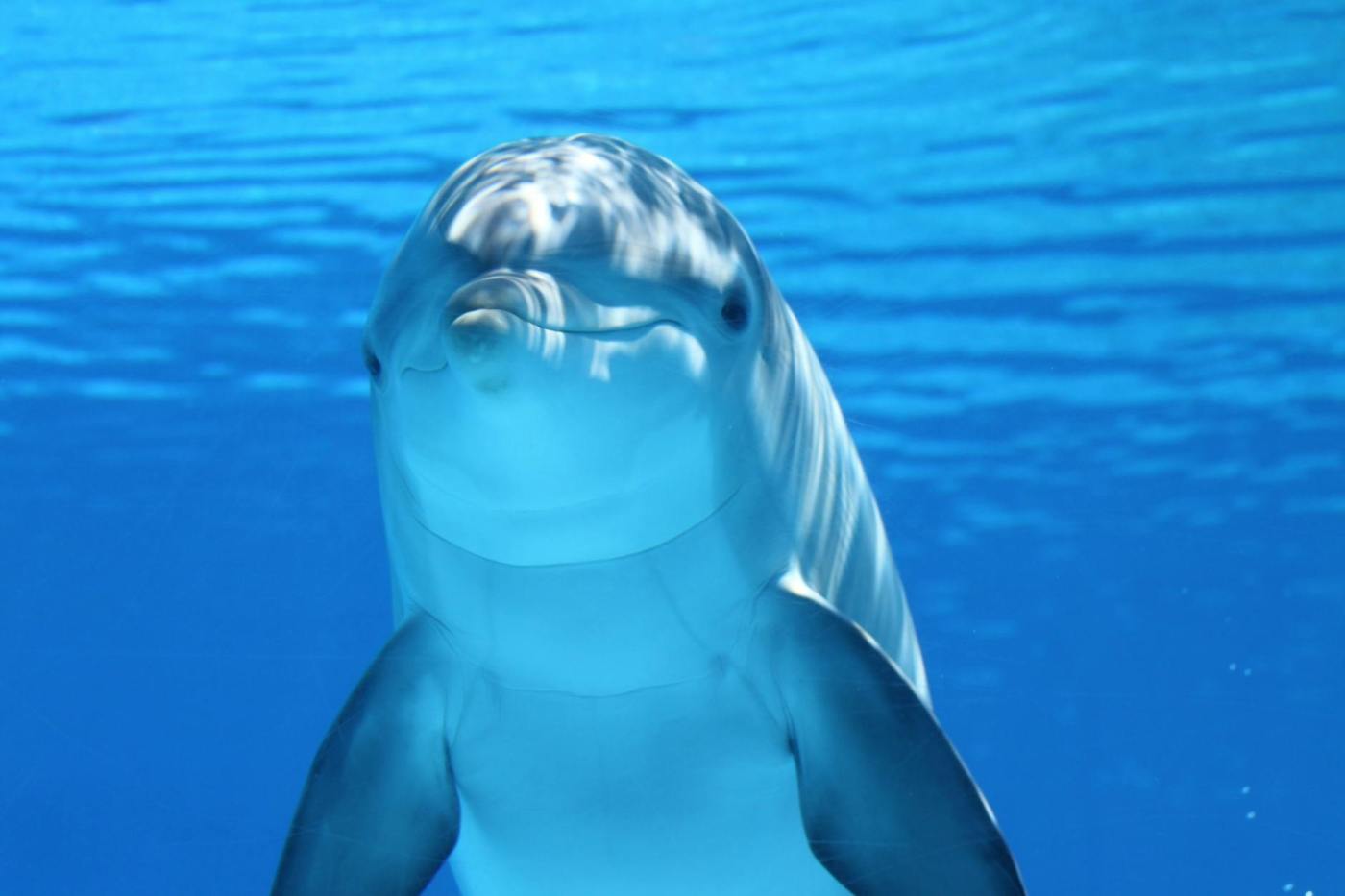

Dive into the World of Dolphins: Nature’s Enigmatic Aquatic Marvels
In the vast expanse of our oceans, amidst the rolling waves and shifting currents, resides one of nature’s most captivating creatures: dolphins. These sleek and intelligent marine mammals have long captured the imagination of humans with their acrobatic displays, intricate social structures, and remarkable communication skills. Let’s embark on a journey to unravel the mysteries of these enchanting beings and explore their fascinating world.
The Enigmatic Anatomy of Dolphins
Dolphins belong to the family Delphinidae, which includes over 40 species ranging from the familiar bottlenose dolphin to the elusive spinner dolphin. With their streamlined bodies, dolphins are perfectly adapted for life in the water. Their torpedo-shaped form allows them to effortlessly glide through the ocean with remarkable speed and agility, while their flippers and dorsal fins provide stability and precision in movement.
One of the most intriguing features of dolphins is their sophisticated echolocation system. By emitting high-frequency clicks and listening to the echoes that bounce back from objects in their environment, dolphins can effectively “see” underwater, allowing them to navigate, locate prey, and communicate with remarkable precision.
Social Bonds and Communication
Dolphins are highly social creatures, forming complex and dynamic social structures within their pods. These pods, comprised of anywhere from a few individuals to hundreds, serve as tight-knit communities where dolphins engage in cooperative behaviors, communicate through an array of clicks, whistles, and body postures, and form strong bonds with one another.
Communication among dolphins is a multifaceted phenomenon, with each species possessing its own unique repertoire of vocalizations and gestures. These vocalizations are not only used for socializing and coordinating group activities but also for expressing emotions and maintaining individual and group identities within the pod.
Guardians of the Seas
Beyond their intrinsic beauty and intelligence, dolphins play a vital role in maintaining the health and balance of marine ecosystems. As apex predators, they help regulate the populations of their prey species, thereby contributing to the overall stability of the food web. Additionally, their presence can indicate the health of their environment, making them valuable indicators of oceanic health and ecosystem integrity.
However, dolphins face an array of threats in today’s world, including habitat degradation, pollution, entanglement in fishing gear, and noise pollution from human activities such as shipping and sonar use. Conservation efforts aimed at protecting these magnificent creatures and their habitats are therefore crucial to ensuring their survival for future generations to admire and appreciate.
A Call to Action
As we continue to unravel the mysteries of dolphins and gain a deeper understanding of their importance in the marine realm, it becomes increasingly clear that their well-being is intricately linked to the health of our oceans as a whole. By promoting sustainable practices, reducing pollution, and advocating for the protection of marine habitats, we can all play a part in safeguarding the future of these enigmatic aquatic marvels.
In conclusion, dolphins stand as testament to the wonders of the natural world, captivating us with their grace, intelligence, and intrinsic beauty. As stewards of the oceans, it is our responsibility to ensure that these remarkable creatures continue to thrive in their watery realms for generations to come. So let us cherish and protect these ambassadors of the sea, for they are truly treasures worth preserving.
Worksheet: Exploring the World of Dolphins
Part 1: Dolphin Facts
- How many species of dolphins are there in the world?
- List three adaptations that help dolphins thrive in their marine environment.
- What is echolocation, and how do dolphins use it?
- Name one way dolphins communicate with each other.
- Why are dolphins considered important for maintaining the health of marine ecosystems?

- Rostum: The rostrum is the elongated, beak-like structure that forms the dolphin’s snout. It houses the dolphin’s mouth and is used for sensing its surroundings.
- Melon: The melon is a fatty, rounded structure located at the front of a dolphin’s head, just above the rostrum. It plays a crucial role in echolocation, aiding the dolphin in producing and focusing sound waves for communication and navigation.
- Blowhole: Dolphins, like whales, are marine mammals and need to breathe air. They have blowholes on the top of their heads which they use to expel old air and inhale fresh air when they come to the surface.
- Dorsal fin: This is the fin on the dolphin’s back. It helps with stability while swimming and also assists in steering.
- Pectoral fin: These fins are located on either side of the dolphin’s body, just behind the head. They are primarily used for steering and stopping.
- Peduncle: The peduncle is the muscular region of the dolphin’s body located just before the tail fluke. It provides power for swimming.
- Fluke: The fluke is the two lobes at the end of a dolphin’s tail. It is the main propulsive structure, driving the dolphin forward through the water.
- Median notch: This refers to the indentation or notch in the middle of the dolphin’s fluke. It helps in reducing drag and increasing swimming efficiency.
Part 3: Dolphin Behavior
Watch a short video clip of dolphins swimming and interacting. Write down three observations about their behavior.
Observation 1:
Observation 2:
Observation 3:
Part 4: Dolphin Conservation
- Name one threat facing dolphins in their natural habitat.
- What can individuals do to help protect dolphins and their ocean environment?
Part 5: Dolphin Fun Facts
True or False: Circle the correct answer.
- Dolphins are fish. True / False
- Dolphins are mammals. True / False
- Dolphins breathe through their gills. True / False
- Dolphins use their tail flukes to swim. True / False
- Some dolphins live in freshwater rivers. True / False
Bonus Question:
What is the name of the most well-known species of dolphin often featured in marine parks and movies?

 Unleashed Learning Gateway
Leave a comment