
May: Mental Health Awareness Month
As we step into the month of May, it’s crucial to acknowledge and advocate for something that affects us all: mental health. Established in 1949, Mental Health Awareness Month aims to raise awareness and understanding of mental health issues, reduce stigma, and promote support and resources for those struggling with their mental well-being.
Why is Mental Health Awareness Important?
Mental health is a fundamental component of our overall well-being, yet it often remains overlooked or stigmatized in society. According to the World Health Organization (WHO), mental health conditions affect one in four people worldwide at some point in their lives. Despite its prevalence, misconceptions and prejudices surrounding mental illness persist, leading to discrimination, social isolation, and reluctance to seek help.
Raising awareness about mental health is crucial for several reasons:
- Reducing Stigma: Stigma surrounding mental health prevents individuals from seeking help and support. By promoting awareness and understanding, we can break down stereotypes and foster a more accepting and supportive environment.
- Encouraging Help-Seeking Behavior: Many people hesitate to seek help for mental health issues due to fear of judgment or shame. By normalizing conversations about mental health, we can encourage individuals to seek support from friends, family, or mental health professionals when needed.
- Promoting Early Intervention: Early detection and intervention are key to managing mental health conditions effectively. Increased awareness can lead to early recognition of symptoms and timely access to treatment and support services.
- Empowering Individuals: When people feel empowered to prioritize their mental health, they are better equipped to manage stress, build resilience, and lead fulfilling lives. Awareness campaigns provide information, resources, and tools to empower individuals to take charge of their mental well-being.
What Can You Do to Keep It Together?
Taking care of your mental health is essential for leading a balanced and fulfilling life. Here are some strategies to help you prioritize your well-being:
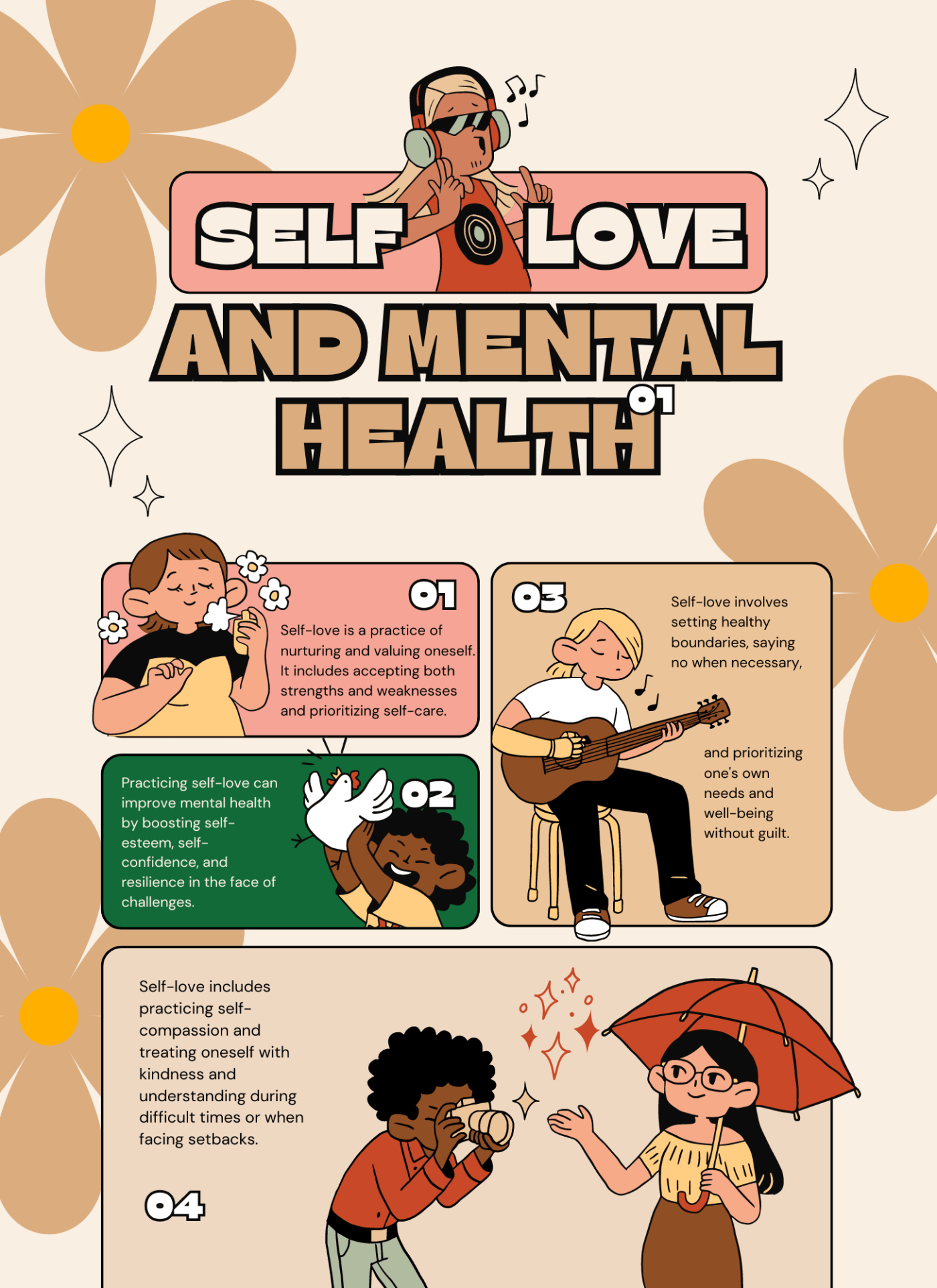
- Practice Self-Care: Make self-care a priority by engaging in activities that promote relaxation, joy, and fulfillment. This could include exercise, mindfulness practices, hobbies, or spending time with loved ones.
- Seek Support: Don’t hesitate to reach out to friends, family, or mental health professionals if you’re struggling. Talking about your feelings and experiences can provide relief and support.
- Set Boundaries: Learn to set boundaries to protect your mental and emotional well-being. Say no to activities or commitments that drain your energy or cause stress, and prioritize activities that bring you joy and fulfillment.
- Stay Connected: Cultivate supportive relationships with friends, family, and community members. Social connections are essential for mental health and well-being, so make an effort to stay connected with others, even if it’s through virtual means.
- Practice Mindfulness: Incorporate mindfulness practices into your daily routine to stay grounded and present. Mindfulness meditation, deep breathing exercises, or simply taking moments to appreciate the present can help reduce stress and promote emotional balance.
- Seek Professional Help if Needed: If you’re struggling with your mental health, don’t hesitate to seek professional help. Therapists, counselors, and psychiatrists are trained to provide support and guidance tailored to your individual needs.
In conclusion, Mental Health Awareness Month serves as a reminder of the importance of prioritizing mental health and supporting those who may be struggling. By raising awareness, reducing stigma, and promoting self-care and support, we can create a more compassionate and understanding society where everyone has the resources and support they need to thrive mentally and emotionally.
Critical Thinking Question for Teens: “Why do you think there is often a reluctance among teenagers to openly discuss mental health issues, and what steps can be taken to create a more supportive and inclusive environment where teens feel comfortable seeking help and support for their mental well-being?”
 Unleashed Learning Gateway