
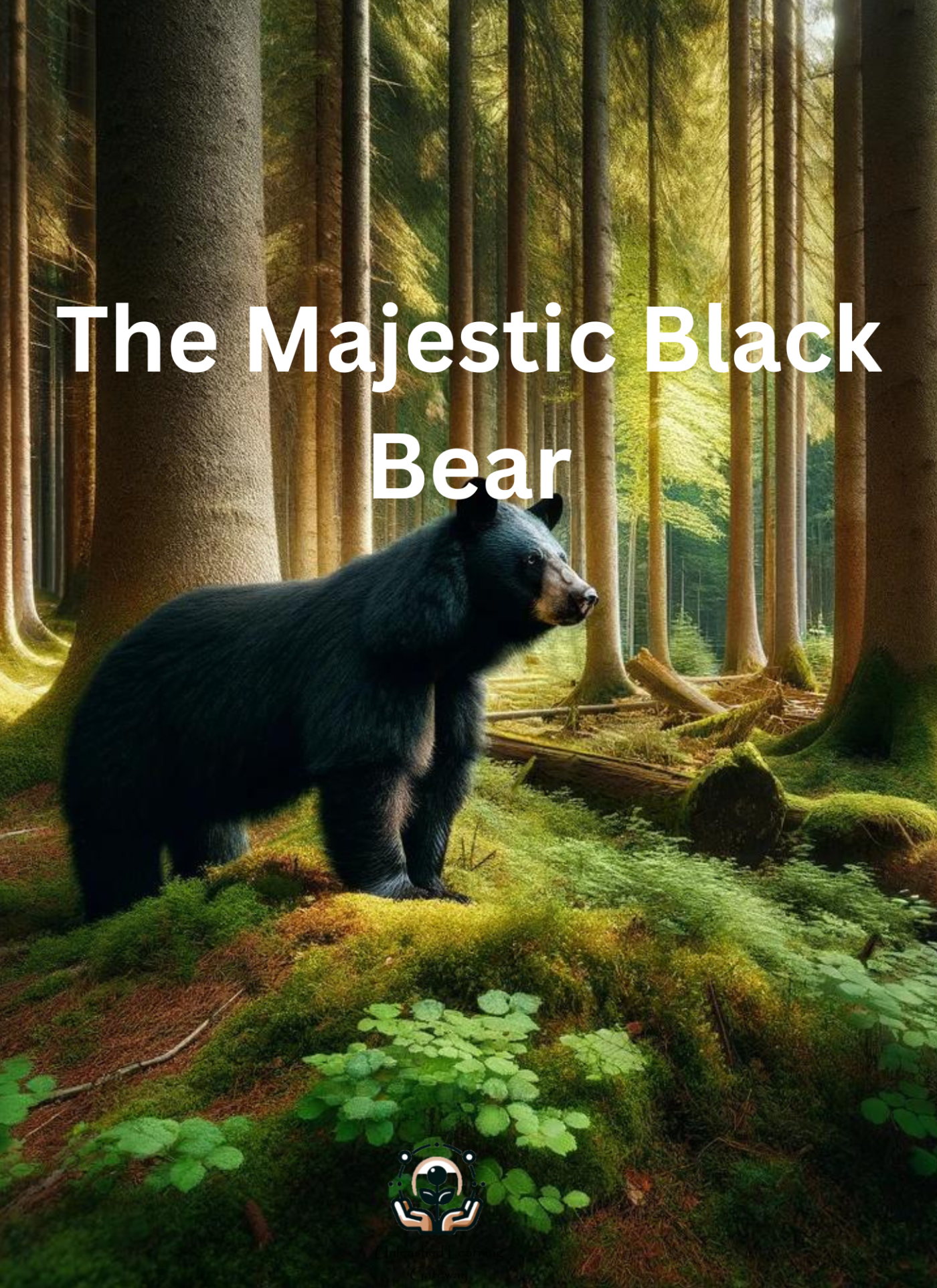
The black bear (Ursus americanus) is one of the most iconic creatures of North America’s wilderness. These majestic animals, often recognized by their black fur, play a crucial role in the ecosystem and hold a special place in the hearts of wildlife enthusiasts and conservationists. Despite their name, black bears can also exhibit a range of colors from cinnamon to blonde. As we celebrate National Black Bear Day, it is an opportune moment to delve into the fascinating world of black bears, exploring their behavior, habitat, and the importance of their conservation.
Physical Characteristics and Behavior
Black bears are medium-sized bears, typically weighing between 200 and 600 pounds, though some individuals can exceed this range. They possess a strong sense of smell, which is their most developed sense and is crucial for foraging. Black bears are omnivorous, with a diet that includes berries, nuts, insects, fish, and occasionally small mammals. They are excellent climbers and swimmers, abilities that help them escape predators, forage for food, and find suitable denning sites.
Despite their formidable size, black bears are generally shy and avoid human contact. They communicate through vocalizations, body language, and scent markings. During the fall, black bears enter a state of hyperphagia, consuming large quantities of food to build up fat reserves for winter hibernation. During hibernation, which can last up to seven months in colder climates, they rely on these fat stores for energy.
Habitat and Distribution
Black bears are highly adaptable and can be found in a variety of habitats across North America, from the dense forests of Canada and Alaska to the swamps of the southeastern United States. They prefer forested areas with thick understory vegetation that provides cover and abundant food sources. However, their adaptability has also led to increased encounters with humans, especially as urban development encroaches on their natural habitats.
Conservation Status and Challenges
The black bear is classified as a species of “Least Concern” by the International Union for Conservation of Nature (IUCN), thanks to stable population numbers in many regions. However, they still face several challenges, including habitat loss, human-wildlife conflict, and illegal hunting. As human populations expand, black bears are increasingly coming into contact with people, leading to potential conflicts. These encounters can result in bears being relocated or euthanized if they become habituated to human food sources.
The Importance of Conservation
Conserving black bears is vital for maintaining the health and balance of forest ecosystems. As apex predators and scavengers, they help control populations of other animals and contribute to nutrient cycling. Efforts to protect black bears include habitat preservation, public education on bear safety, and research on bear behavior and ecology.
Organizations like the North American Bear Center and the National Park Service play key roles in these conservation efforts. They provide resources and conduct programs to educate the public about black bears, promote safe coexistence, and support scientific research.
How You Can Help
There are several ways individuals can contribute to black bear conservation:
- Practice Bear Safety: When in bear country, follow guidelines for storing food and disposing of waste properly to avoid attracting bears.
- Support Conservation Organizations: Donate to or volunteer with organizations dedicated to wildlife conservation.
- Educate Others: Spread awareness about the importance of black bears and how to live safely alongside them.
- Advocate for Habitat Protection: Support policies and initiatives that protect natural habitats and reduce human-wildlife conflict.
Conclusion
Black bears are an integral part of North America’s natural heritage. By understanding their behavior, protecting their habitats, and promoting coexistence, we can ensure that these remarkable animals continue to thrive. National Black Bear Day serves as a reminder of the beauty and importance of these creatures, encouraging us to take action to preserve their place in the wild.
Vocabulary Matching Activity
Match each vocabulary word to its correct definition.
Vocabulary Words
- Conservationists
- Enthusiasts
- Omnivorous
- Formidable
- Hyperphagia
Definitions
A. People who work to protect the environment and wildlife.
B. Having a diet that includes both plants and animals.
C. Eating a lot of food to prepare for a time when there will be less food available.
D. People who are very interested and excited about something.
E. Inspiring fear or respect through being impressively large, powerful, or capable.
Critical Thinking Questions
1. Why is it important to conserve black bears?
A. They are a rare species on the verge of extinction.
B. They play a crucial role in maintaining the health and balance of forest ecosystems.
C. They are the most dangerous predators in North America.
D. They are popular attractions in zoos and wildlife parks.
2. What is one of the main challenges black bears face due to human expansion?
A. Increased competition with other bear species.
B. More opportunities to find human food sources.
C. Increased encounters leading to potential conflicts with humans.
D. More access to protected wildlife reserves.
3. What does the term “omnivorous” mean in relation to black bears?
A. They only eat meat.
B. They eat both plants and animals.
C. They only eat plants.
D. They do not eat during hibernation.
4. How do black bears prepare for hibernation?
A. By building large nests in trees.
B. By entering a state of hyperphagia and consuming large quantities of food.
C. By migrating to warmer areas.
D. By storing food in their dens.
5. What role do conservationists play in black bear preservation?
A. They relocate bears to zoos.
B. They hunt bears to keep the population in check.
C. They work to protect the environment and wildlife, including black bears.
D. They feed bears to prevent them from starving.
National Black Bear Day
National Black Bear Day is observed on the first Saturday in June each year. This day is dedicated to celebrating the black bear, promoting awareness about the species, and educating the public about bear safety and conservation efforts. Black bears are the most common bear species in North America, known for their distinctive black fur, though they can also be brown, cinnamon, or even blonde.
Ways to Celebrate National Black Bear Day:
- Educational Activities: Learn more about black bears, their habitats, and behaviors. Many wildlife organizations offer resources and virtual events.
- Visit a Wildlife Center or Park: Spend the day at a national park or wildlife sanctuary where black bears live, and participate in guided tours or educational programs.
- Bear Safety Education: Familiarize yourself with bear safety tips, especially if you live in or visit areas where black bears are present.
- Support Conservation Efforts: Donate to or volunteer with organizations dedicated to bear conservation and habitat protection.
- Share Knowledge: Use social media to spread awareness about black bears, using hashtags like #NationalBlackBearDay.
Critical Thinking Question
Why do you think National Black Bear Day is important, and how can it help in the conservation of black bears?


 Unleashed Learning Gateway
Leave a comment