What is PTSD?
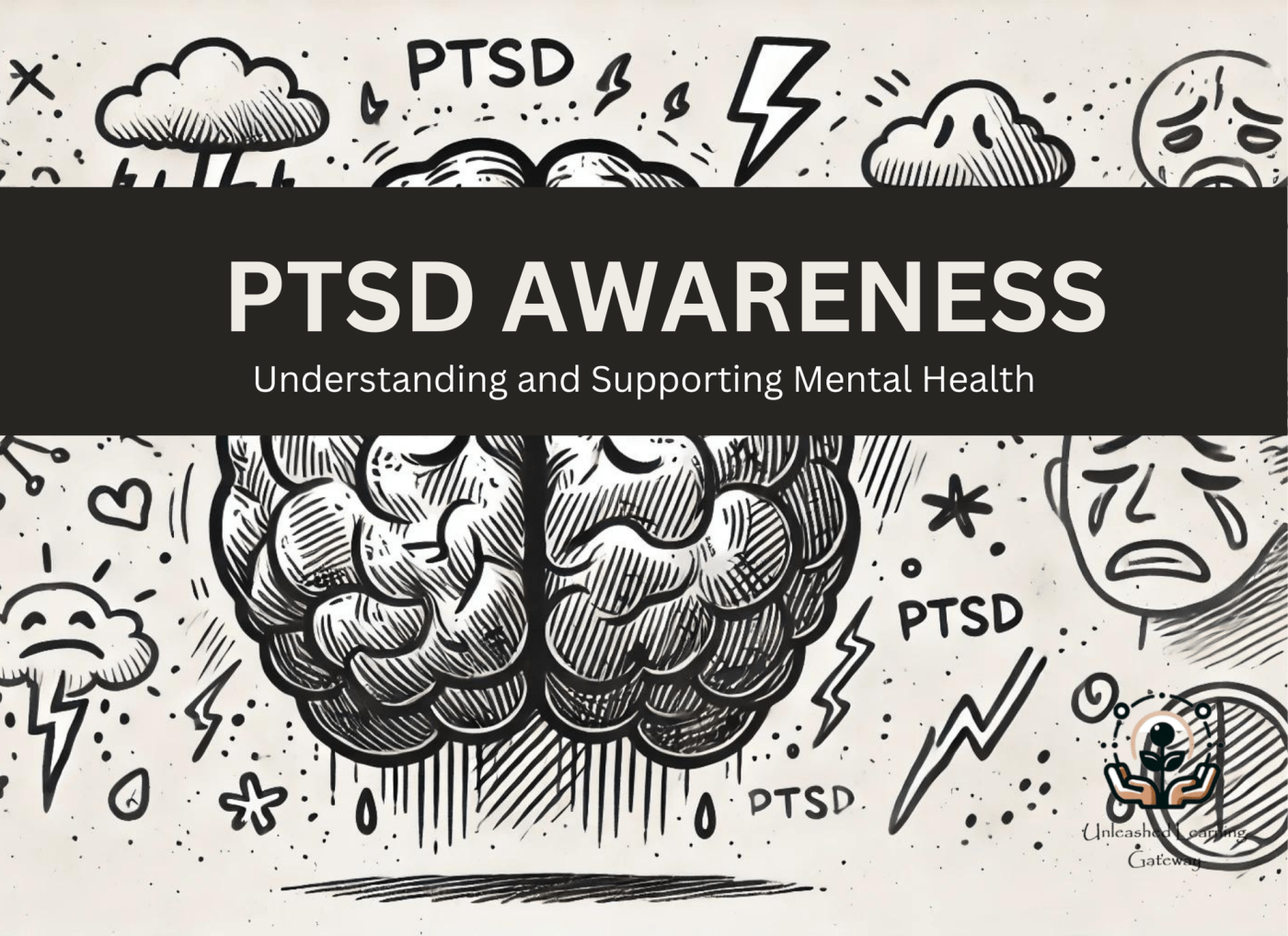
PTSD stands for Post-Traumatic Stress Disorder, a mental health condition that can develop after someone experiences or witnesses a traumatic event. This might include natural disasters, serious accidents, terrorist acts, war/combat, or personal assaults.
The Origins of PTSD Awareness
PTSD awareness has grown significantly over the years, especially since the experiences of soldiers in World War I and II highlighted the psychological impact of war. Originally called “shell shock” or “combat fatigue,” it wasn’t until 1980 that the American Psychiatric Association officially recognized PTSD as a disorder. Today, PTSD awareness helps to destigmatize mental health issues and provides support and resources for those affected.
Why is PTSD Awareness Important?
- Destigmatization: Raising awareness helps reduce the stigma around mental health, encouraging more people to seek help without feeling ashamed.
- Support: Awareness campaigns provide vital information about resources and support systems available for individuals with PTSD.
- Education: It educates the public about the realities of PTSD, helping them understand the condition and be more empathetic towards those who suffer from it.
- Prevention: Awareness can lead to early intervention, which can significantly improve outcomes for those at risk of developing PTSD.
Symptoms of PTSD
PTSD can manifest in various ways, and the symptoms can be grouped into four categories:
- Intrusive Memories:
- Flashbacks of the traumatic event.
- Nightmares related to the trauma.
- Severe emotional distress or physical reactions to reminders of the event.
- Avoidance:
- Avoiding places, activities, or people that remind one of the traumatic event.
- Trying to avoid thinking or talking about the trauma.
- Negative Changes in Thinking and Mood:
- Negative thoughts about oneself or the world.
- Hopelessness about the future.
- Memory problems, including not remembering important aspects of the traumatic event.
- Difficulty maintaining close relationships.
- Changes in Physical and Emotional Reactions:
- Being easily startled or frightened.
- Always being on guard for danger.
- Self-destructive behavior, such as drinking too much or driving too fast.
- Trouble sleeping and concentrating.
- Irritability, angry outbursts, or aggressive behavior.
How to Get Help for PTSD
- Seek Professional Help: Therapists and counselors specializing in PTSD can provide treatment such as Cognitive Behavioral Therapy (CBT) or Eye Movement Desensitization and Reprocessing (EMDR).
- Medication: Doctors may prescribe medications to manage symptoms like anxiety and depression.
- Support Groups: Joining a PTSD support group can provide a sense of community and understanding.
- Self-Care: Practices such as mindfulness, meditation, regular exercise, and a healthy diet can help manage symptoms.
- Education: Learning more about PTSD can empower individuals to take an active role in their treatment and recovery.
Critical Thinking Question
Why do you think it is important for society to understand and support individuals with PTSD? How can schools play a role in PTSD awareness and support?
This article aims to provide a comprehensive understanding of PTSD, emphasizing the importance of awareness, the recognition of symptoms, and the various ways to seek help. By fostering a supportive and informed community, we can help those affected by PTSD lead healthier, more fulfilling lives.
 Unleashed Learning Gateway