
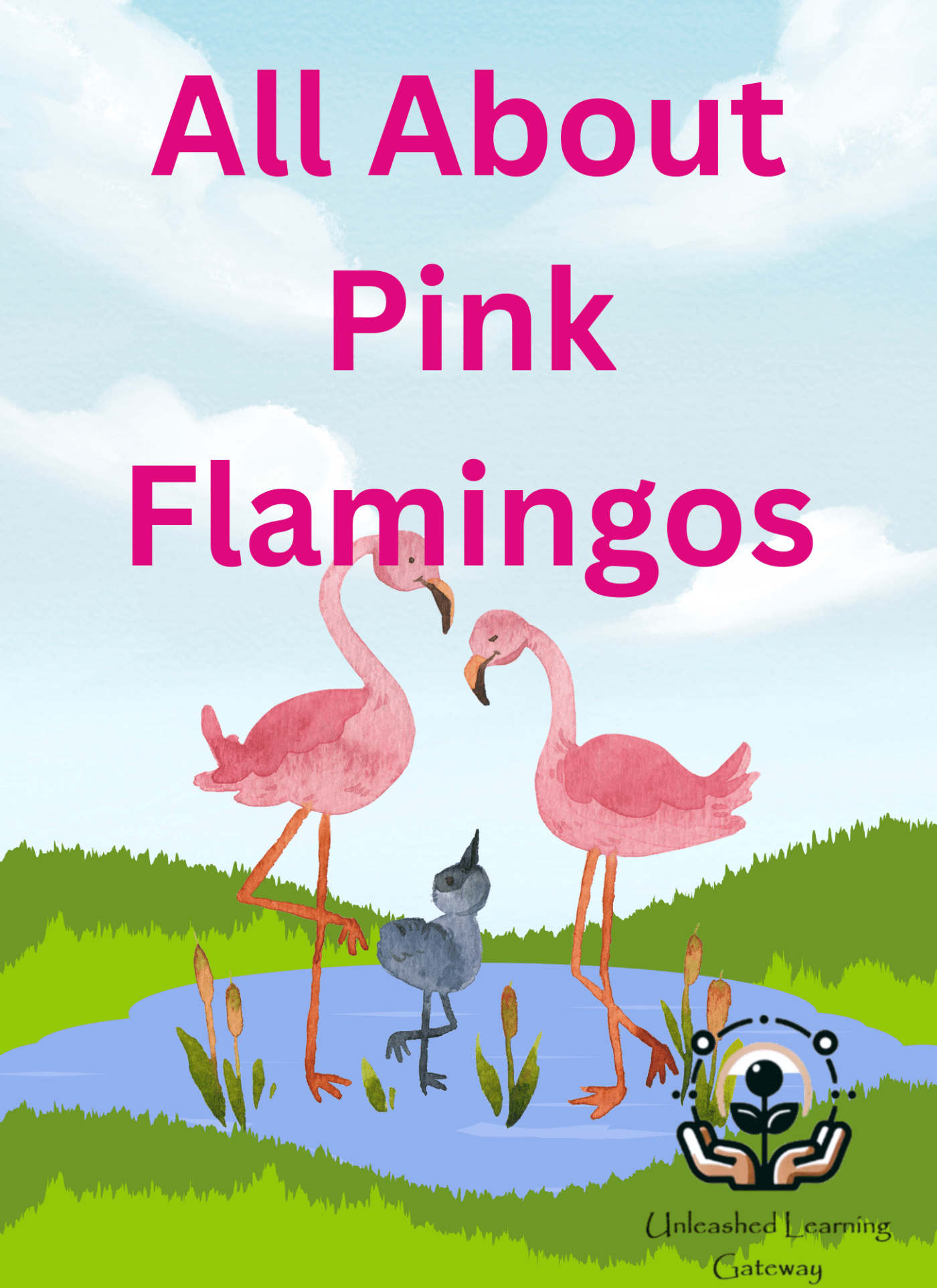
Pink Flamingos: Fascinating Birds of the Wetlands
Pink flamingos are among the most recognizable and intriguing birds in the world. Their vibrant color, long legs, and unique behaviors make them a favorite subject for bird watchers and nature enthusiasts alike. Let’s explore the world of flamingos and discover what makes them so special.
Quick Fun Facts About flamingos
- Colorful Feathers: Despite their name, flamingos are not naturally pink. They get their color from the food they eat, which is rich in carotenoids.
- Long Legs: flamingos’ legs can be longer than their bodies, which helps them wade in deep waters.
- Unique Beak: Their beaks are specially adapted to filter food from water, a process called “filter feeding.”
Habitat and Migration
Flamingos are typically found in warm, watery regions, including shallow lakes, lagoons, mangrove swamps, tidal flats, and sandy islands. They prefer environments with plenty of algae, crustaceans, and small insects, which make up their diet. Flamingos migrate to find the best conditions for feeding and breeding. They travel in large flocks to ensure safety in numbers.
Taking Care of Their Young
Flamingos are attentive parents. They build mud nests where they lay a single egg. Both parents take turns incubating the egg for about a month. Once the chick hatches, it is fed “crop milk,” a nutritious substance produced in the parents’ digestive tracts. The young flamingo stays with its parents until it is strong enough to join the larger flock.
Staying in Groups
Flamingos are social birds and live in large colonies that can number in the thousands. These groups provide protection from predators and increase the chances of finding food. The collective behavior of flamingos also helps them synchronize their breeding cycles, which is essential for the survival of their young.
What Do flamingos Eat?
Flamingos feed primarily on algae, small insects, and crustaceans. Their unique beaks are designed to filter these tiny food particles from the water. As they eat, they stir up the mud with their feet to bring food within reach.
The True Color of flamingos
While we often see flamingos as pink, their natural color is actually grayish-white. The pink hue comes from carotenoid pigments in their diet. These pigments are found in the algae and crustaceans they consume.
Environmental Role and Importance
Flamingos play a crucial role in their ecosystems. By feeding on algae and small invertebrates, they help maintain the balance of these populations in their habitats. This, in turn, supports the health of the wetland ecosystems where they live. Additionally, flamingos’ nesting sites can create microhabitats for other organisms.
Why Are flamingos Important?
Flamingos are indicators of environmental health. Their presence in large numbers suggests a thriving ecosystem, as they require clean, unpolluted water to survive. Conservation efforts to protect flamingos also help preserve their wetland habitats, benefiting numerous other species.
Body Parts of a Flamingo
- Beak: Adapted for filter feeding.
- Legs: Long and thin, perfect for wading.
- Feathers: Pink due to their diet.
- Neck: Long and flexible, allowing them to reach down into the water.
- Feet: Webbed for stability in soft mud.
Pink flamingos are not just beautiful birds; they are essential components of their ecosystems. By understanding their habits, diet, and role in the environment, we can appreciate the importance of preserving these magnificent creatures and their habitats. Next time you see a flamingo, you’ll know just how fascinating and vital they truly are!
Parts of a Flamingo

Extra Learning Resources
https://www.exploringnature.org/db/view/Flamingo
https://seaworld.org/animals/all-about/flamingos/characteristics
FLAMINGO VIDEO
Critical Thinking Multiple Choice Questions
1. What is the primary reason flamingos are pink?
a) Their natural feather color
b) The food they eat
c) The water they live in
d) The sunlight they absorb
2. Which of the following best describes the habitat of flamingos?
a) Dense forests
b) Deserts
c) Shallow lakes and lagoons
d) Snowy mountains
3. How do flamingos feed?
a) By diving underwater
b) By catching flying insects
c) By filter feeding through their beaks
d) By hunting small mammals
4. Why do flamingos build their nests out of mud?
a) To keep their eggs warm
b) To avoid predators
c) To keep their nests dry
d) To prevent other birds from using them
5. What role do flamingos play in their ecosystem?
a) They are top predators
b) They help maintain the balance of algae and small invertebrate populations
c) They pollinate flowers
d) They spread seeds
6. Why do flamingos live in large colonies?
a) To confuse predators
b) To make migration easier
c) To increase their chances of finding food and for protection
d) To compete with other bird species
7. What is “crop milk,” and why is it important for flamingo chicks?
a) A type of plant flamingos eat
b) A nutritious substance produced by parent flamingos to feed their chicks
c) A special water found in flamingo habitats
d) A type of fish flamingos feed their chicks
8. How do flamingos contribute to the health of wetland ecosystems?
a) By eating harmful insects
b) By fertilizing the water
c) By balancing the populations of algae and small invertebrates
d) By creating nesting sites for other birds
9. Which adaptation helps flamingos filter food from water?
a) Their long legs
b) Their webbed feet
c) Their specially adapted beaks
d) Their colorful feathers
10. Why are flamingos considered indicators of environmental health?
a) They are very sensitive to temperature changes
b) They require clean, unpolluted water to survive
c) They migrate only to polluted areas
d) They can live without food for long periods
Flamingo Activity: Create Your Own Flamingo Habitat
Objective: Students will learn about the habitat and lifestyle of flamingos by creating their own flamingo habitat diorama.
Materials Needed:
- Shoebox or similar-sized box
- Construction paper (various colors)
- Markers, crayons, or colored pencils
- Scissors
- Glue
- Small plastic flamingo figures (optional)
- Craft materials (cotton balls, pipe cleaners, tissue paper, etc.)
- Printouts of flamingo body parts for labeling
Instructions:
- Research and Plan:
- Begin by reviewing what you’ve learned about flamingos, including their habitat, diet, and behavior.
- Discuss what elements are essential in a flamingo’s habitat (shallow water, algae, mud nests, etc.).
- Create the Habitat:
- Take the shoebox and turn it on its side so that the open part faces you. This will be the diorama base.
- Use blue construction paper to create water. You can cut it to fit the bottom of the shoebox and glue it in place.
- Use green construction paper to create algae. Cut small pieces and glue them in and around the water area.
- Use brown construction paper or actual mud/clay to create mud nests. Shape small nests and place them strategically in the habitat.
- Add flamingos:
- If you have small plastic flamingo figures, place them in the habitat.
- Alternatively, draw and cut out flamingos from pink construction paper. Attach them to the habitat using glue.
- Label the body parts of the flamingos (beak, legs, feathers, neck, and feet) using small strips of paper or stickers.
- Add Details:
- Use cotton balls to create clouds and glue them to the inside top of the shoebox.
- Use pipe cleaners to create tall grasses or reeds around the water area.
- Add any other elements you think are necessary to complete the habitat, such as small fish or other birds that might share the habitat.
- Present Your Habitat:
- Once the diorama is complete, have each student present their flamingo habitat to the class.
- Explain the different parts of the habitat and why they are important for the flamingos.
- Discussion Questions:
- Why did you include certain elements in your habitat?
- How do the elements you included help flamingos survive and thrive?
- What would happen to the flamingos if one of these elements was missing or changed?

 Unleashed Learning Gateway