
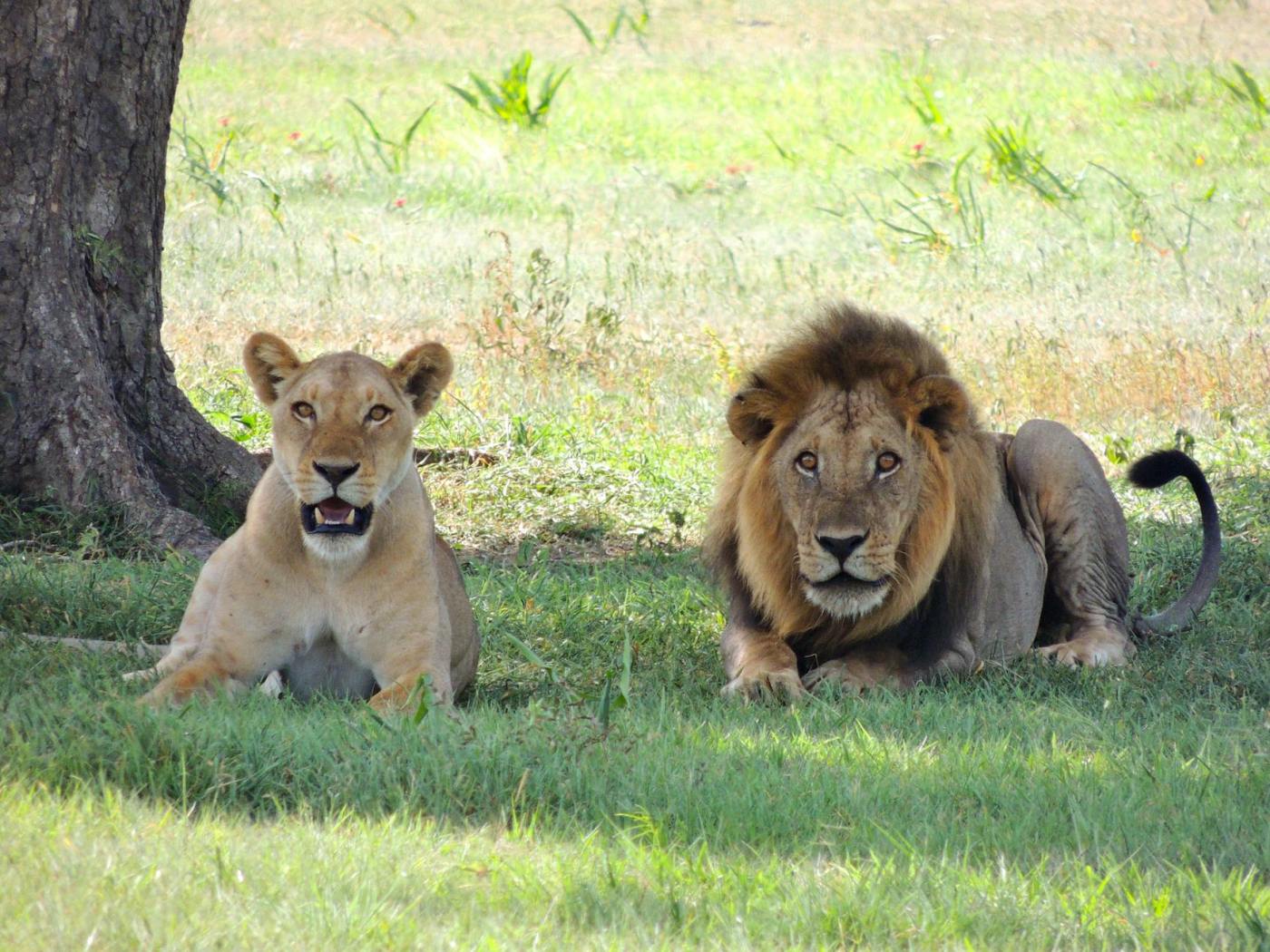
Lions: The Majestic Predators of the Savannah
Lions (Panthera leo) are one of the most iconic and recognizable big cats in the world. Known as the “king of the jungle,” lions are actually native to the savannas and grasslands of Africa, with a small population in the Gir Forest of India. This article delves into the intricate details of their dietary habits, water needs, shelter, space requirements, and respiratory adaptations, along with some fascinating fun facts.

The Carnivorous Diet
Lions are obligate carnivores, meaning they rely solely on animal flesh for their nutritional needs. They primarily prey on large ungulates, such as zebras, wildebeests, buffalo, and antelopes. Lions use a combination of stalking and cooperative hunting techniques to catch their prey. A lion pride typically works together, with lionesses doing most of the hunting. They often employ a coordinated approach, using stealth to get as close as possible before launching a swift and powerful attack. Lions prefer to hunt during cooler times of the day, such as dawn or dusk, to avoid the heat.
Once a kill is made, the lions consume their meal, often devouring the soft parts first, such as the liver, kidneys, and heart, before moving on to the muscle and bones. They can eat up to 30 kilograms (66 pounds) of meat in one sitting and can survive for several days without eating afterward.
Hydration Needs
Lions require water, though they can survive without drinking for extended periods, especially in areas where water sources are scarce. They obtain moisture from their prey’s blood and bodily fluids. However, when water is available, they will drink regularly. Lions living in arid regions have adapted to rely more heavily on the moisture content in their prey and can go without drinking water for up to four days.

Finding and Creating Shelter
Lions do not build shelters or dens. Instead, they use the natural environment to find shelter. During the heat of the day, they seek shade under trees, bushes, or rocky outcrops to avoid the scorching sun. In regions with tall grass, lions may lie down and rest, camouflaging themselves while remaining vigilant for potential threats or prey. Cubs are often hidden in dense vegetation or rock crevices by their mothers to protect them from predators.
Territorial Needs
Lions are territorial animals, with the size of their territory varying depending on the availability of prey and water. A pride’s territory can range from 20 to 400 square kilometers (8 to 154 square miles). Male lions are primarily responsible for defending the pride’s territory from intruders, which they do by roaring, scent marking, and patrolling the boundaries. Territory size and stability are crucial for ensuring access to sufficient food and water resources for the pride.

Respiratory Adaptations
As terrestrial mammals, lions rely on oxygen for respiration. They have a highly efficient respiratory system that allows them to support their active lifestyle, including hunting and territorial defense. Lions possess large nasal passages and a powerful diaphragm, enabling them to take in significant amounts of air. This respiratory efficiency is vital during high-energy activities, such as running after prey or engaging in fights.
Five Fun Facts About Lions
- Roar of the King: A lion’s roar can be heard up to 8 kilometers (5 miles) away, making it one of the loudest vocalizations of any big cat. They roar to communicate with pride members and to warn rivals.
- Social Structure: Lions are the only big cats that live in social groups called prides. A pride typically consists of related females, their offspring, and a small number of adult males.
- Majestic Manes: Male lions are known for their impressive manes, which vary in color and size. The mane’s size and color are influenced by genetics, age, and hormones, and it can help protect the male’s neck during fights.
- Lions and Hyenas: Lions and spotted hyenas are often rivals, competing for the same prey. However, they can sometimes scavenge each other’s kills, leading to frequent conflicts.
- Lifespan: In the wild, lions live for about 10-14 years, while in captivity, they can live up to 20 years. The harsh realities of their environment and conflicts with other lions and humans contribute to their shorter lifespan in the wild.
Lions play a crucial role in their ecosystems as apex predators, helping to maintain the balance of animal populations. Understanding their needs and behaviors is essential for their conservation and the preservation of the delicate ecosystems they inhabit.
Vocabulary Words
- Obligate Carnivore– An animal that relies exclusively on animal flesh for its diet.
Example: As an obligate carnivore, the lion’s diet consists solely of meat.
- Ungulates– Hoofed mammals, often prey for lions, including animals like zebras and antelopes.
Example: Lions often hunt ungulates, using their powerful bodies to take down these large animals.
- Camouflage– The act of blending in with the surrounding environment to avoid detection.
Example: Lions use the tall grass as camouflage to approach their prey without being noticed.
- Territorial– Relating to the defense of an area by an animal or group of animals, especially against others of the same species.
Example: Lions are territorial animals, marking their boundaries with scent to ward off intruders.
- Diaphragm– A muscular partition in the body cavity of mammals, playing a key role in respiration.
Example: The lion’s powerful diaphragm helps it take in large amounts of air, which is essential during a chase.
Questions
What is the primary diet of lions?
A) Fruits and vegetables
B) Insects and small animals
C) Large ungulates
D) Fish and amphibians
How do lions primarily obtain water in arid regions?
A) By drinking from rivers and lakes
B) By consuming the blood and bodily fluids of their prey
C) By digging wells
D) By licking morning dew from plants
What is a lion’s territory primarily defended by?
A) The entire pride working together
B) Female lions only
C) Male lions roaring and scent marking
D) Cub lions with loud roars
Lions use which method to blend in with their surroundings while resting?
A) Building nests
B) Using camouflage in tall grass
C) Hiding in water
D) Climbing trees
What unique characteristic is most associated with male lions?
A) Stripes
B) Long tails
C) Manes
D) Brightly colored fur
What is the primary purpose of a lion’s diaphragm?
A) To help in vocalizing loud roars
B) To store food
C) To assist in respiration
D) To digest meat
How far can a lion’s roar be heard?
A) 1 kilometer
B) 2 kilometers
C) 5 kilometers
D) 8 kilometers
What is a group of lions called?
A) A pack
B) A pride
C) A herd
D) A troop
In what type of habitat are lions primarily found?
A) Dense forests
B) Deserts
C) Savannas and grasslands
D) Tundra
Which of the following is NOT a common prey for lions?
A) Zebras
B) Buffalo
C) Wildebeests
D) Elephants
Answers
What is the primary diet of lions?
A) Fruits and vegetables
B) Insects and small animals
C) Large ungulates
D) Fish and amphibians
Answer: C) Large ungulates
How do lions primarily obtain water in arid regions?
A) By drinking from rivers and lakes
B) By consuming the blood and bodily fluids of their prey
C) By digging wells
D) By licking morning dew from plants
Answer: B) By consuming the blood and bodily fluids of their prey
What is a lion’s territory primarily defended by?
A) The entire pride working together
B) Female lions only
C) Male lions roaring and scent marking
D) Cub lions with loud roars
Answer: C) Male lions roaring and scent marking
Lions use which method to blend in with their surroundings while resting?
A) Building nests
B) Using camouflage in tall grass
C) Hiding in water
D) Climbing trees
Answer: B) Using camouflage in tall grass
What unique characteristic is most associated with male lions?
A) Stripes
B) Long tails
C) Manes
D) Brightly colored fur
Answer: C) Manes
What is the primary purpose of a lion’s diaphragm?
A) To help in vocalizing loud roars
B) To store food
C) To assist in respiration
D) To digest meat
Answer: C) To assist in respiration
How far can a lion’s roar be heard?
A) 1 kilometer
B) 2 kilometers
C) 5 kilometers
D) 8 kilometers
Answer: D) 8 kilometers
What is a group of lions called?
A) A pack
B) A pride
C) A herd
D) A troop
Answer: B) A pride
In what type of habitat are lions primarily found?
A) Dense forests
B) Deserts
C) Savannas and grasslands
D) Tundra
Answer: C) Savannas and grasslands
Which of the following is NOT a common prey for lions?
A) Zebras
B) Buffalo
C) Wildebeests
D) Elephants
Answer: D) Elephants
 Unleashed Learning Gateway