
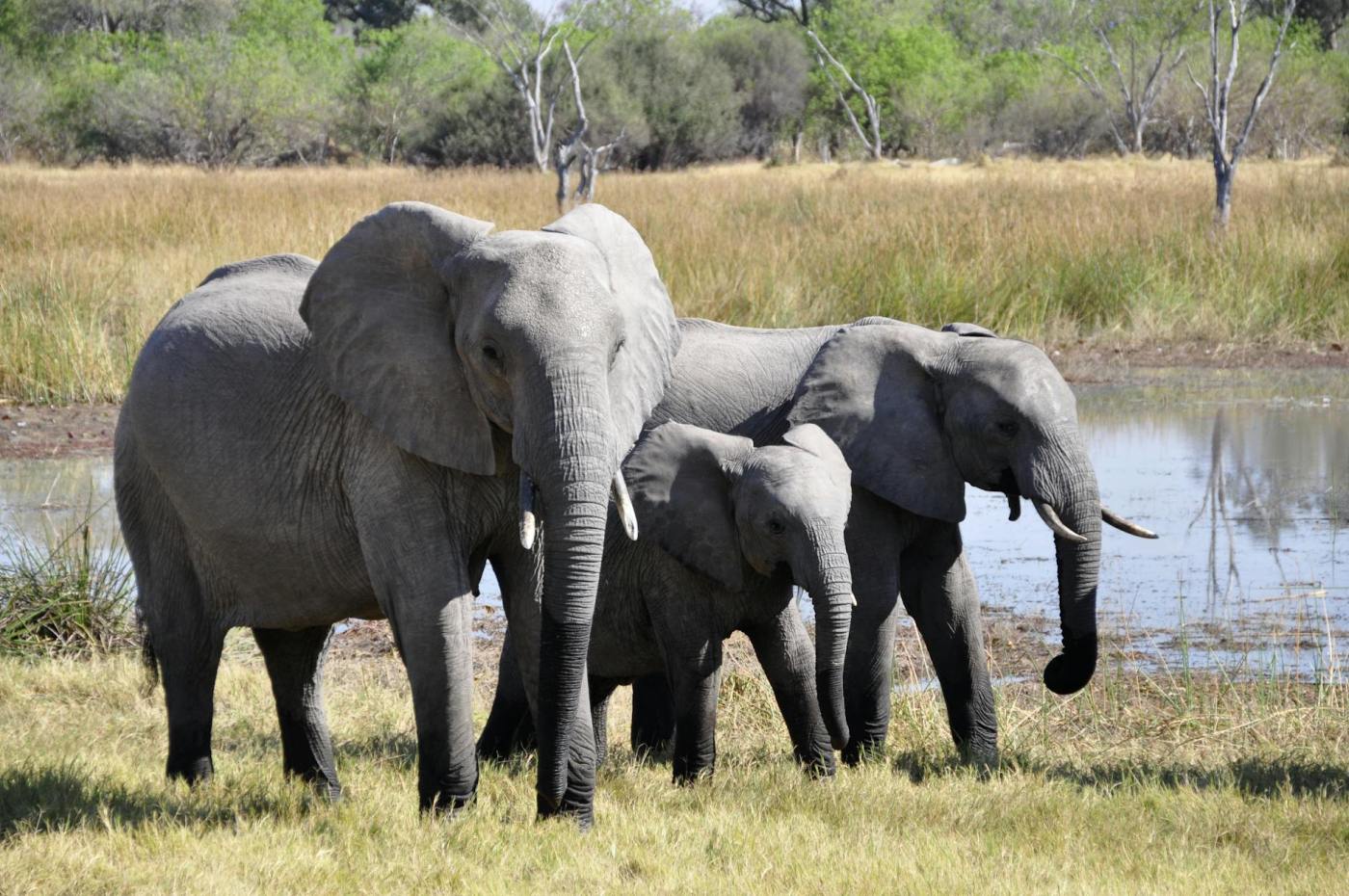
Elephants: From Birth to Adulthood
Elephants are magnificent creatures known for their intelligence, complex social structures, and impressive size. They are the largest land mammals and can be found in various parts of Africa and Asia. This article explores the life of elephants from birth to adulthood, their diet, habitat, social interactions, and how they care for their young.
From Birth to Adulthood
Elephants have a long gestation period, lasting about 22 months, the longest of any land mammal. When a calf is born, it can weigh between 220 to 250 pounds and stand about 3 feet tall. Newborn elephants are well-developed at birth, able to stand and walk within a few hours. They are highly dependent on their mothers and other herd members for protection and guidance.

As elephants grow, they go through several stages:
- Calf (0-2 years): Calves stay close to their mothers and rely on them for nourishment. They begin by drinking their mother’s milk and later start experimenting with solid food.
- Juvenile (2-10 years): Juvenile elephants start becoming more independent, learning vital skills by observing older herd members. They still rely on their mother’s milk but gradually increase their intake of vegetation.
- Adolescent (10-15 years): Adolescents continue to grow rapidly. They become more involved in social interactions within the herd and start exploring their surroundings more independently.
- Adult (15+ years): By the time they reach adulthood, elephants are fully grown and take on roles within the herd. Females often stay with their natal herd, while males may leave and form bachelor groups or live solitary lives.
Diet
Elephants are herbivores and have a diverse diet that includes grasses, leaves, bark, fruit, and roots. An adult elephant can consume up to 300 pounds of food daily. They use their trunks to gather food and bring it to their mouths. Their diet varies depending on the season and availability of food sources.
Shelter and Habitat
Elephants live in various habitats, including savannas, forests, and deserts. They do not construct permanent shelters but use the natural environment to their advantage. They often seek shade under trees to escape the sun’s heat and use mud and water to cool down their bodies and protect their skin from insect bites.

Social Interactions
Elephants are highly social animals with complex communication and social structures. They live in matriarchal herds led by the oldest and often most experienced female, known as the matriarch. The herd typically consists of related females and their offspring. Elephants communicate using vocalizations, body language, and even seismic signals that can travel through the ground.
Care for Young
Elephant calves are born relatively helpless and depend heavily on their mothers and other herd members for survival. Mothers nurse their calves for several years, and allomothers (other female herd members) also play a role in caring for the young. The herd protects the calves from predators and teaches them essential skills for survival.
Five Interesting Facts
- Elephants have excellent memories. They can remember the locations of water sources and recognize other elephants even after long periods.
- Elephants can communicate using infrasound. These low-frequency sounds can travel long distances, allowing elephants to communicate across great distances.
- Elephants are capable swimmers. They can swim long distances and use their trunks as snorkels when submerged.
- Elephants mourn their dead. They exhibit behaviors that suggest mourning, such as staying with the body of a deceased elephant and showing signs of distress.
- Elephants have a slow growth rate. They reach full size at around 20-25 years of age and can live up to 60-70 years in the wild.
Vocabulary
Gestation: The period of time during which an embryo develops inside the mother’s womb until birth. In the context of elephants, gestation refers to the 22-month period when a baby elephant develops inside its mother’s womb.
Allomothers: Female elephants within a herd that help care for the calves of other females. These individuals assist the mother in nurturing, protecting, and teaching the young elephants. Allomothers can include related females, such as sisters or aunts, and sometimes even unrelated members of the herd.
Questions
How long is the gestation period for an elephant?
What is the primary diet of elephants?
Who leads an elephant herd?
How do elephants communicate with each other?
At what age do elephants typically reach full size?
Questions and Answers
How long is the gestation period for an elephant? A: The gestation period for an elephant is about 22 months.
What is the primary diet of elephants? A: Elephants are herbivores and primarily eat grasses, leaves, bark, fruit, and roots.
Who leads an elephant herd? A: An elephant herd is typically led by the oldest and most experienced female, known as the matriarch.
How do elephants communicate with each other? A: Elephants communicate using vocalizations, body language, and seismic signals that can travel through the ground.
At what age do elephants typically reach full size? A: Elephants typically reach full size at around 20-25 years of age.
 Unleashed Learning Gateway