
Where Do They Live, and How Do They Survive in That Climate?
Sea otters are found along the coasts of the northern and eastern North Pacific Ocean. They inhabit kelp forests, coastal waters, and sometimes even bays and estuaries. The cold waters of the Pacific are their home, and unlike many other marine mammals, sea otters don’t have a thick layer of blubber to keep them warm. Instead, they have the densest fur of any animal on Earth, with up to 1 million hairs per square inch! This thick fur traps air close to their skin, providing excellent insulation against the cold water.
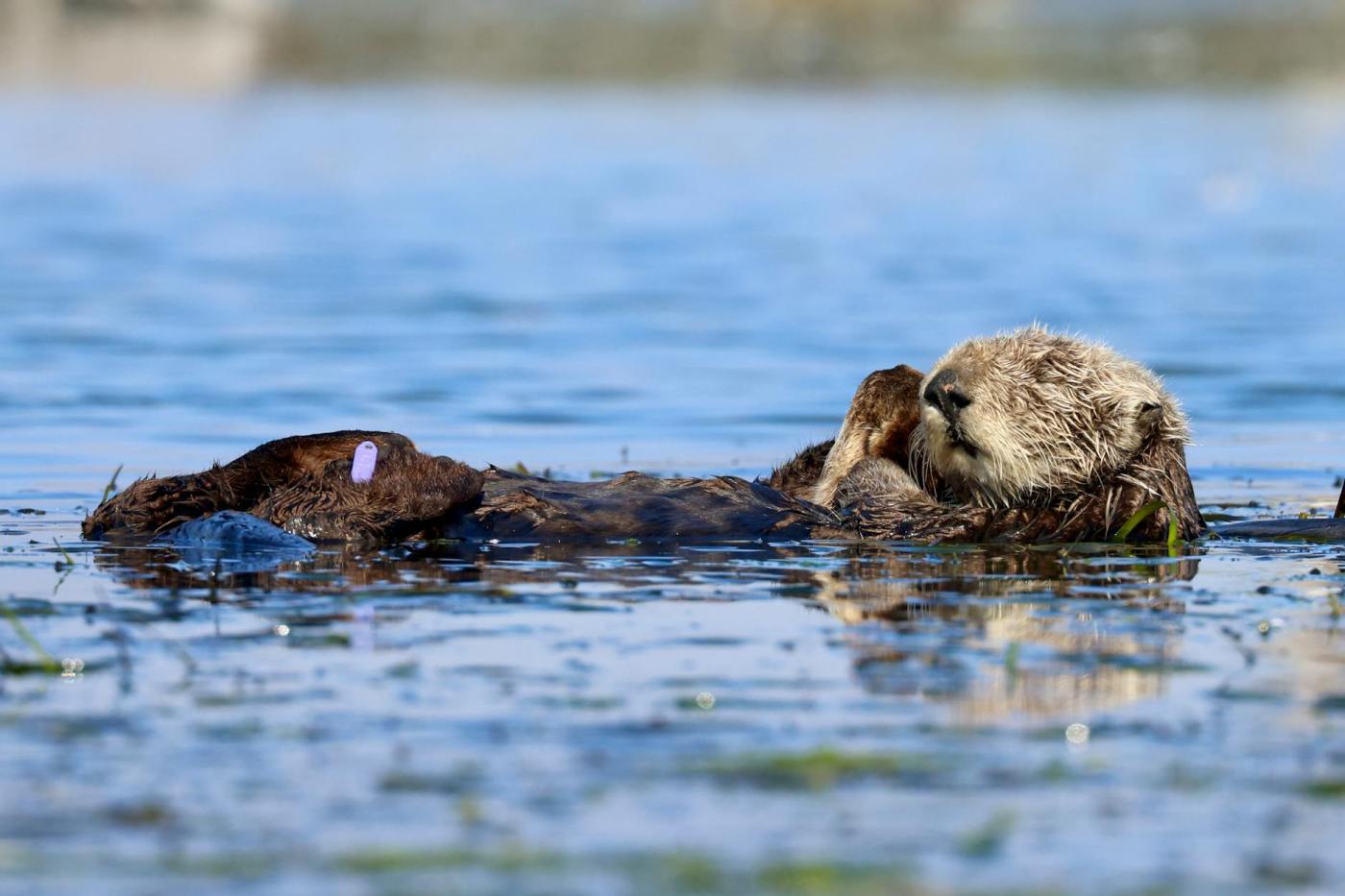
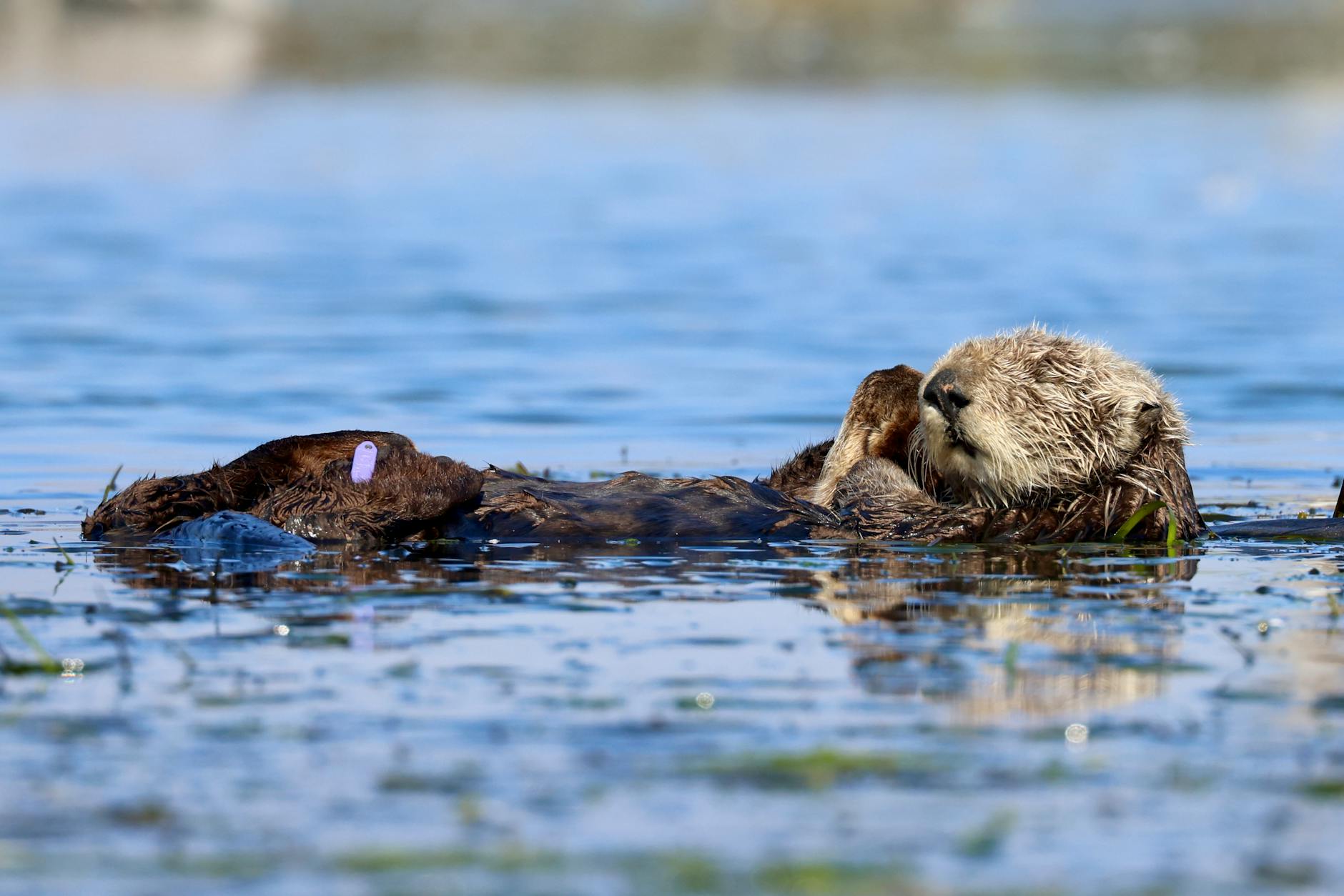
To survive in their ocean environment, sea otters spend much of their time floating on their backs. They often wrap themselves in kelp to stay anchored and avoid drifting away with the current. Sea otters are also great swimmers, using their webbed feet and strong tails to move swiftly through the water.
What Do Sea Otters Eat?
Sea otters are carnivores, meaning they eat meat. They primarily feed on marine invertebrates, including sea urchins, crabs, clams, mussels, and snails. They have a special talent for using tools! Sea otters often carry rocks in their paws to smash open the hard shells of their prey, making them one of the few animals known to use tools in the wild.
Their favorite hunting spots are along the seafloor, where they dive down to find food, holding their breath for up to five minutes. After catching their prey, they bring it to the surface to enjoy their meal, sometimes even while floating on their backs.
From Adolescence to Adulthood
Sea otters are born in the water, and their mothers carry them on their bellies for warmth and protection. When sea otter pups are first born, they cannot swim and rely entirely on their mothers. The mothers groom their pups regularly to keep their fur clean and buoyant, which helps the pups float on the water’s surface.
As the pups grow, they begin to learn how to swim and dive, usually by watching their mothers. By the time they are 6 months old, they start to eat solid food, though they may still rely on their mother for protection and guidance. Around 1 year old, sea otters are fully independent and can hunt and survive on their own. At about 3-5 years old, they reach adulthood and are capable of reproducing.
How Do Sea Otters Take Care of Their Young?
Mother sea otters are incredibly attentive caregivers. When a sea otter pup is born, the mother focuses on grooming it to ensure its fur remains clean and fluffy, which helps keep the pup warm and afloat. Mothers also frequently blow air into the pup’s fur to enhance its buoyancy.
Sea otter mothers carry their young on their bellies while floating on their backs, providing warmth and safety from predators. They teach their pups how to dive and hunt, and they will protect them fiercely from danger. If a mother sea otter needs to dive for food, she will wrap her pup in kelp to keep it from drifting away.
Cool Fun Fact About Sea Otters
Sea otters hold hands! To prevent themselves from drifting apart while sleeping or resting, sea otters will often hold hands, forming “rafts” with other otters. These groups can range from just a few otters to hundreds!
Vocabulary Words
- Buoyant (boy-uhnt) – able to float or rise in water or air.
- Carnivore (kar-nuh-vawr) – an animal that feeds on other animals (meat-eater).
- Invertebrate (in-vur-tuh-brit) – an animal without a backbone, like a sea urchin or crab.
- Kelp (kelp) – a type of large, brown seaweed that grows in underwater forests.
- Insulation (in-suh-ley-shuhn) – material or structure that prevents the transfer of heat or cold.
Matching Vocabulary Test
Match the word with its correct definition:
A. Buoyant
B. Carnivore
C. Invertebrate
D. Kelp
E. Insulation
- Material that prevents the transfer of heat or cold.
- Able to float in water or air.
- An animal that feeds on other animals.
- A type of large seaweed that grows in underwater forests.
- An animal without a backbone.
Multiple-Choice Questions
- Where do sea otters live?
A. Deserts
B. Tropical rainforests
C. Coastal waters of the Pacific Ocean
D. Lakes in Africa - How do sea otters stay warm in cold water?
A. They have thick blubber.
B. They use kelp as blankets.
C. They have the densest fur of any animal.
D. They huddle in groups. - What do sea otters eat?
A. Plants
B. Fish and marine invertebrates
C. Grass
D. Algae - Sea otters are:
A. Herbivores
B. Omnivores
C. Carnivores
D. Insectivores - How do sea otters use tools?
A. They use sticks to catch fish.
B. They use rocks to break open shells.
C. They use leaves to cover their food.
D. They use water to trap prey. - How long can a sea otter hold its breath while diving?
A. 1 minute
B. 3 minutes
C. 5 minutes
D. 10 minutes - At what age are sea otters fully independent?
A. 3 months
B. 6 months
C. 1 year
D. 2 years - What do sea otter mothers do to keep their pups safe while diving?
A. Carry them underwater.
B. Wrap them in kelp.
C. Hold them in their mouths.
D. Leave them on the shore. - What is a group of sea otters holding hands called?
A. Pod
B. Herd
C. Raft
D. Colony - How do sea otters help maintain their environment?
A. By cleaning beaches.
B. By eating sea urchins and keeping kelp forests healthy.
C. By planting trees.
D. By chasing away predators.
 Unleashed Learning Gateway
Leave a comment