
August 27, 2025
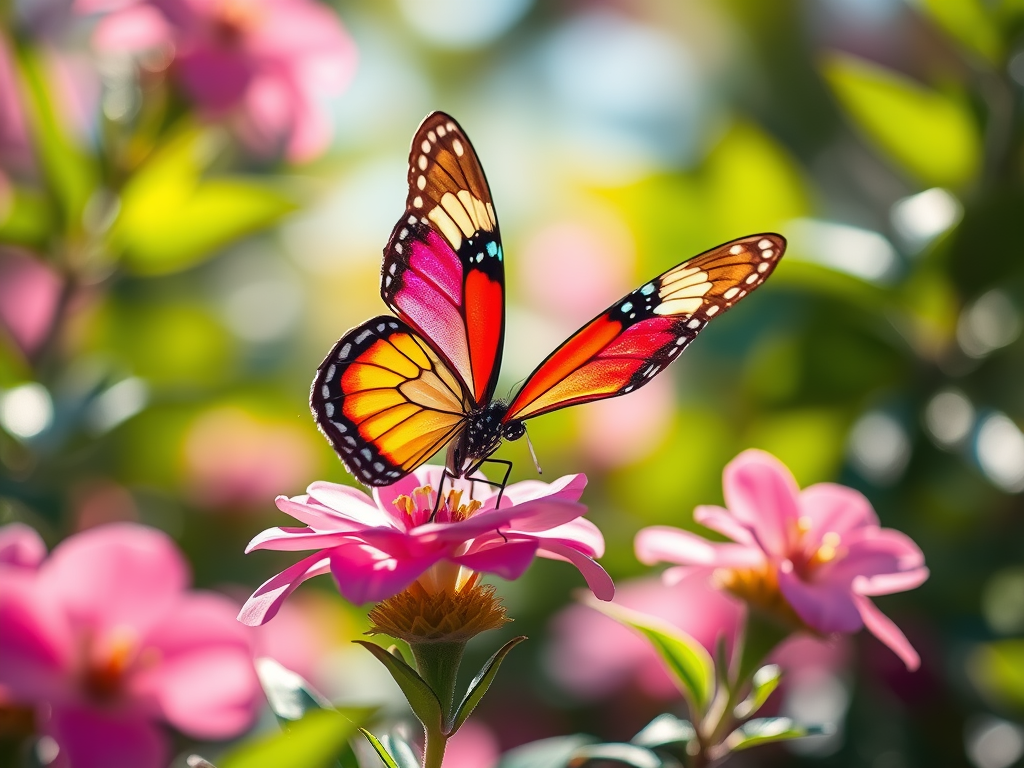
Everywhere you look—gardens, parks, even schoolyards—you might notice colorful butterflies (BUH-ter-flies). But what’s going on with these delicate, winged wonders? Why do they seem to appear everywhere in spring and summer? Let’s dive into the world of butterflies and uncover their fascinating secrets!
A Little Background
Butterflies are insects in the order Lepidoptera (LEH-puh-DOP-tur-uh), which means “scale-wing.” Their wings are covered in tiny colorful scales that make them shimmer in the sunlight. Scientists believe butterflies have been around for at least 56 million years—long before humans!
Butterfly Matchmaking
Butterflies usually mate in the warmer months, when food and flowers are easy to find. Males often use bright colors and even “butterfly perfume” (special scents called pheromones (FAIR-uh-mones)) to attract females. After mating, the female lays eggs on plants that will later feed her caterpillars.
Do Butterflies Hibernate?
Yes, some do! Depending on the species, butterflies survive winter in different ways:
- Some migrate south (like the famous monarch butterfly).
- Others hibernate in cozy spots, like under leaves or inside tree bark, until spring returns.
How Many Kinds of Butterflies Are There?
There are about 20,000 species of butterflies around the world! In the United States alone, you can find nearly 750 species. That’s a lot of variety for such delicate creatures.
What Do Butterflies Eat?
Most adult butterflies drink nectar from flowers using a long, straw-like mouthpart called a proboscis (proh-BAH-sis). Some butterflies even sip from fruit juice, tree sap, or mud puddles to get important nutrients. Caterpillars, on the other hand, munch on leaves nonstop until they transform into butterflies.
The Best Time to See Butterflies in Mississippi
In Mississippi, butterflies are most active from late spring through early fall (April–October). Warm sunny days bring out the most species, especially around flowering plants.
Why Butterflies Are Important
Butterflies aren’t just pretty—they help pollinate (PAHL-uh-nate) flowers, which means they move pollen around so plants can grow seeds and fruits. They’re also an important part of the food chain for birds and other animals.
How Can We Help Butterflies?
We can protect butterflies by:
- Planting native wildflowers and milkweed (great for monarchs).
- Avoiding harmful pesticides.
- Creating safe gardens where they can feed and rest.
Is It Okay to Touch a Butterfly?
It’s not a good idea. Their wings are covered in tiny, delicate scales. Touching them can rub these scales off, making it harder for them to fly or stay safe. It’s best to look, not touch!
Fun Facts
- Some butterflies can see colors we can’t, including ultraviolet light.
- The fastest butterfly, the skipper, can fly up to 37 miles per hour—faster than many people can bike!
Key Terms
Pheromones (FAIR-uh-mones)
Special scents that butterflies (and other animals) release to communicate—like sending a “perfume message” to attract a mate.
Lepidoptera (LEH-puh-DOP-tur-uh)
The scientific order of insects that includes butterflies and moths. The name means “scale-wing,” because their wings are covered with tiny scales.
Migrate (MY-grate)
To travel from one place to another when the seasons change. Some butterflies, like monarchs, migrate hundreds or even thousands of miles!
Hibernate (HI-ber-nate)
To rest or go into a deep sleep-like state during cold weather. Some butterflies hibernate through the winter until spring returns.
Discussion Questions
- Why do you think butterflies are important to the environment?
- How are butterflies different from moths?
- What might happen if butterflies disappeared?
- Why do you think some butterflies migrate while others hibernate?
- What plants can you grow in your yard to attract butterflies?
Everyday Life Question:
When is a time in your life where it’s better to look but not touch something beautiful?
Butterfly Activity (Fun & Safe)
🌸 Make a Butterfly Garden Journal!
- Find a safe spot outdoors (like your yard, school, or park).
- Watch butterflies for 15–20 minutes. Write down how many you see, what colors they are, and what plants they visit.
- Over time, notice patterns: Do more butterflies appear in the morning or afternoon? Do certain flowers attract them more?
- Share your journal with friends or classmates—it’s like being a butterfly scientist!
✨ Next time you see a butterfly flutter by, remember: it’s not just a flying decoration—it’s an important, ancient, and fascinating part of nature!

 Unleashed Learning Gateway