
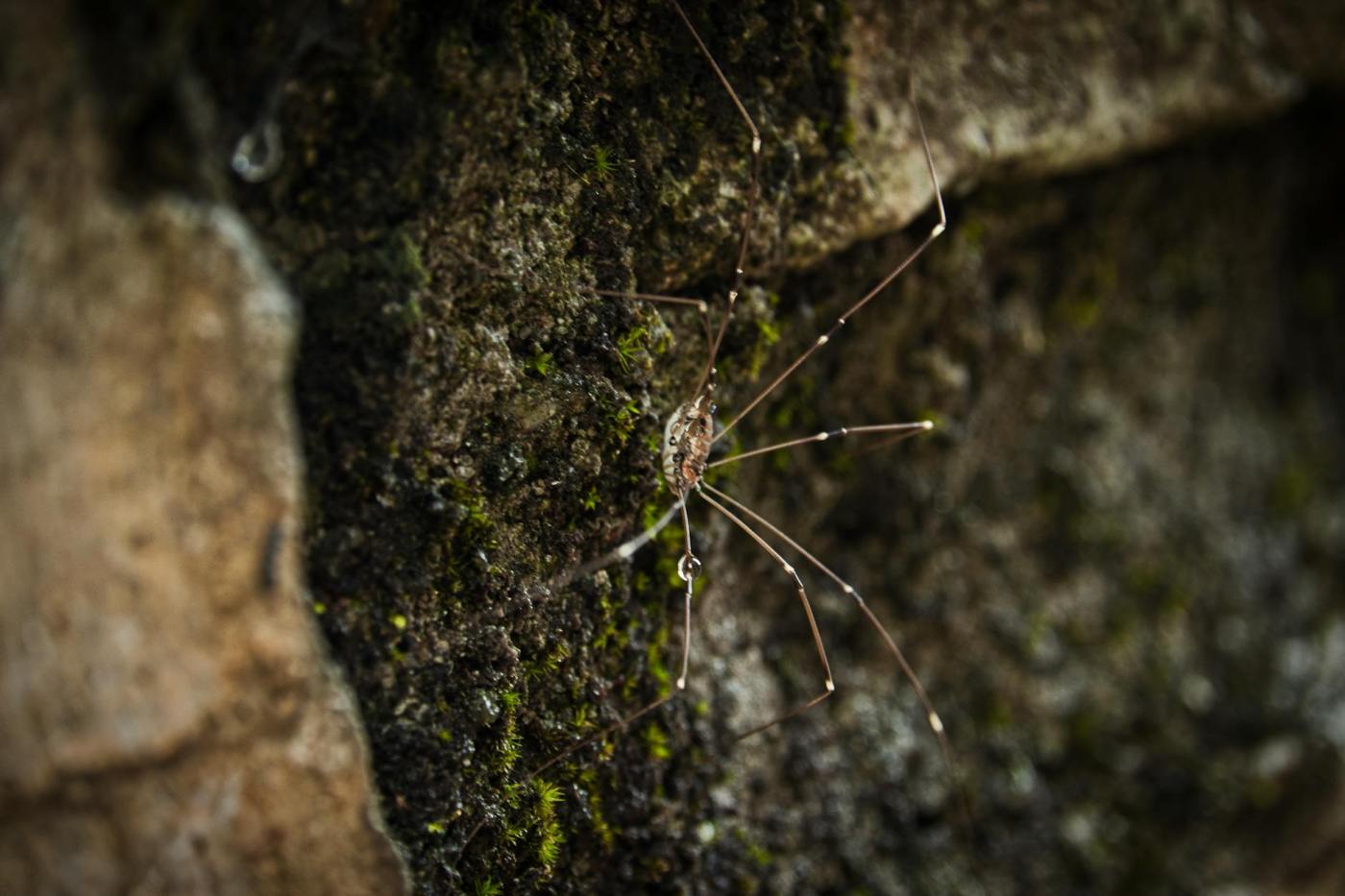
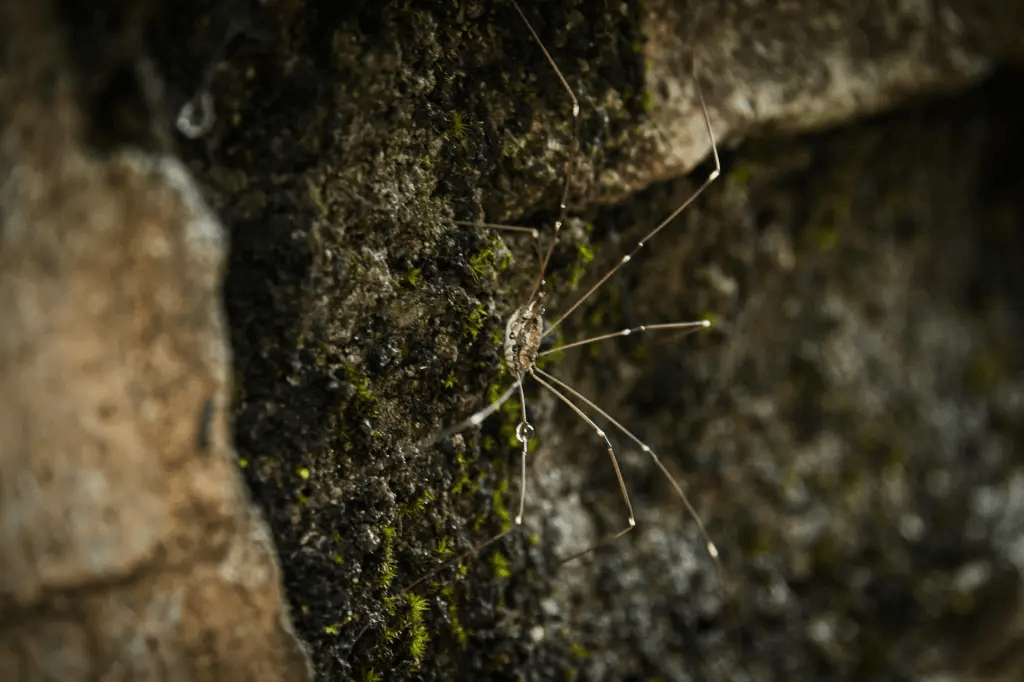
Meet the Daddy Long-Leg Spider: Nature’s Stealthy Stilt-Walkers
Hey there, fellow nature enthusiasts! Today, we’re going on a thrilling adventure to explore the fascinating world of daddy long-leg spiders. These quirky critters may look a bit spooky with their long, spindly legs, but trust me, they’re more friend than foe. Let’s swing into action and uncover the secrets of these remarkable arachnids!
What’s in a Name?
First things first, let’s clear up a common misconception. Daddy long-leg spiders are not actually spiders! Well, not in the same way as your friendly neighborhood spider. They belong to a special group called arachnids, just like spiders, but they have their own cool club called Pholcidae. You may have also heard them be referred to as “Grandaddy Long Legs” or “The Huntsmen”.
Long Legs, Big Myths
Now, here’s a story you might have heard: daddy long-legs have the deadliest venom in the world, but their fangs are too tiny to bite us. Sounds scary, right? But here’s the truth – daddy long-legs do have venom, but it’s not strong enough to harm humans. And guess what? They don’t even have fangs! So, you can rest easy knowing they’re more like tiny superheroes than villains.
Nighttime Ninjas
Picture this: it’s nighttime, and while you’re fast asleep, daddy long-legs are on the prowl. These sneaky spiders are nocturnal, which means they do most of their hunting when the lights are out. Daddy long legs cannot spin silk, so they do not make webs. To capture prey, they hunt a night and secrete a glue-like substance to trap their prey.
Love, Spider Style
When it comes to romance, daddy long-legs are quite the dancers. Male spiders bust out some fancy footwork and gentle vibrations to woo their lady loves. If all goes well, the female will lay her eggs in a cozy silk sac, where they’ll hatch into adorable spiderlings. It’s like a tiny arachnid love story!
Our Helpful Housemates
Believe it or not, daddy long-legs are actually pretty helpful to have around. They may not be as famous as bees or butterflies, but they play an important role in keeping pesky insect populations in check. So, next time you spot one of these leggy legends, give ’em a nod of appreciation for their pest-control prowess.
Exploring the Unknown
As we wrap up our spider safari, take a moment to appreciate the wonders of the natural world. Daddy long-leg spiders may seem mysterious, but that’s what makes them so intriguing! So, the next time you see one of these gentle giants, remember – they’re not just spooky spiders; they’re nature’s stealthy stilt-walkers, roaming the night in search of adventure.
Complete the following activities to test your knowledge and learn more about these leggy creatures.
Activity 1: Spider Facts
- True or False: Daddy long-leg spiders belong to the same group as true spiders.
- True
- False
- Fill in the blank: Daddy long-leg spiders are nocturnal, which means they are most active during the ___________.
3. Multiple Choice: Daddy long-legs use their long, spindly legs to:
a) Swing from tree branches
b) Dance with other spiders
c) Capture prey in their webs
d) Dig burrows underground
4. Circle the correct answer: Daddy long-leg spiders have venom that is:
a) Deadly to humans
b) Harmless to humans
c) Only harmful to other spiders
Activity 2: Myths vs. Facts
Decide whether each statement is a myth or a fact about daddy long-leg spiders.
- Daddy long-legs have the deadliest venom of any spider.
- Myth
- Fact
- Daddy long-legs are not actually spiders.
- Myth
- Fact
- Daddy long-legs are primarily diurnal, meaning they are most active during the day.
- Myth
- Fact
- Daddy long-leg spiders play an important role in controlling pest populations.
- Myth
- Fact
Activity 3: Spider Web Design
- Draw a picture of a daddy long-leg spider’s web. Be sure to include any features that make it unique!
Activity 4: Spider Storytime
Imagine you are a daddy long-leg spider. Write a short story about your nighttime adventures, including how you catch your prey and any encounters you have with other animals.
Bonus Activity: Spider Observation
Take a walk outside and see if you can spot any daddy long-leg spiders in their natural habitat. Use a magnifying glass if you have one to get a closer look at their intricate features.
 Unleashed Learning Gateway