
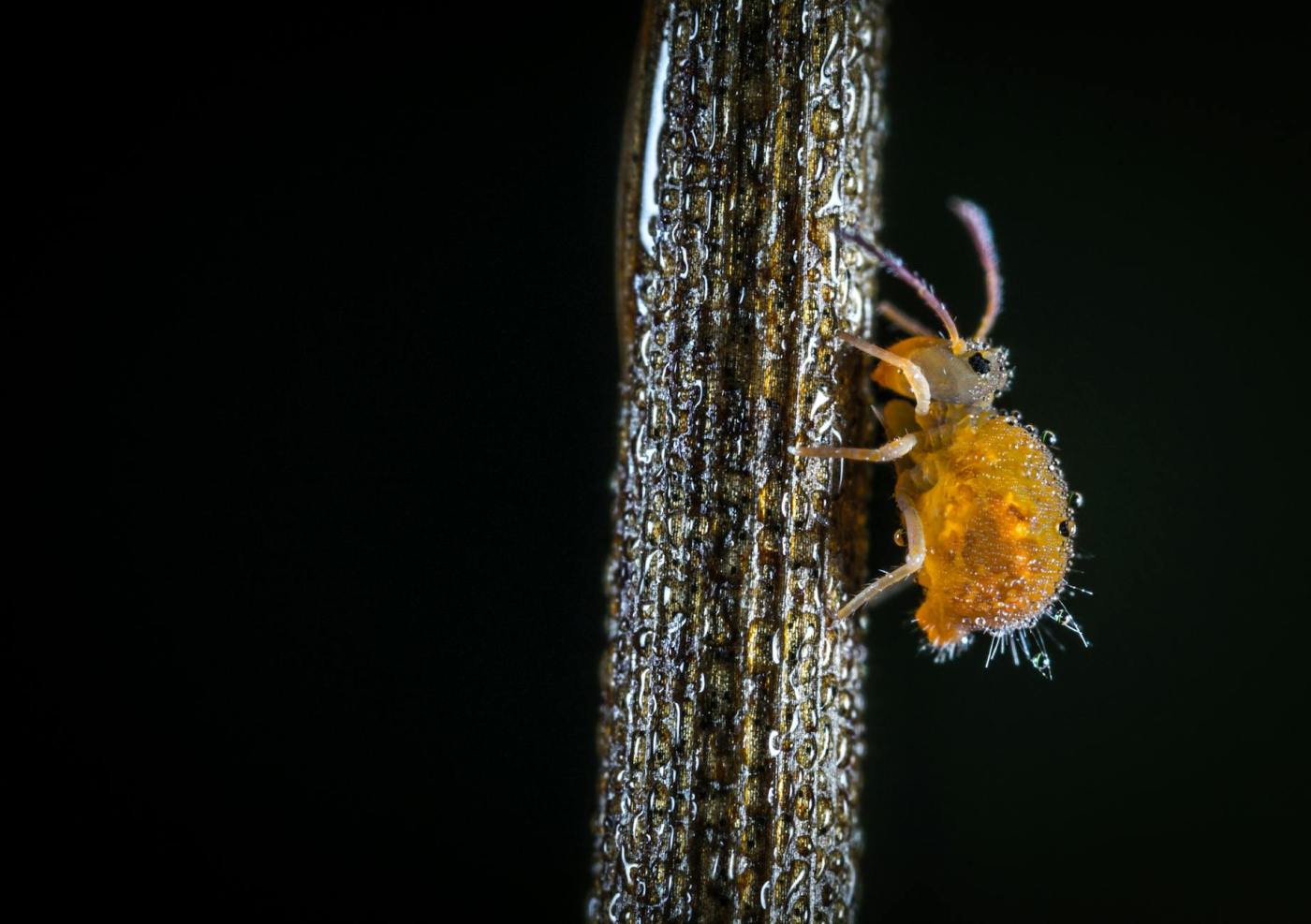
What Are Lice?
Lice are tiny, wingless parasites that live on human hair and scalp. These insects are about the size of a sesame seed and are grayish-white in color. Lice feed on small amounts of blood from the scalp, which can cause itching and discomfort. Though lice infestations are common, especially among children, they are not known to transmit diseases.
Where Do Lice Live?
Head lice live on the human scalp, specifically on the hair close to the scalp, where they can access warmth and blood. They cling tightly to individual hairs with their six tiny legs, which are equipped with claws that make them excellent at holding on, even when hair is brushed or washed. Lice prefer to live in clean environments, making it a misconception that poor hygiene leads to lice infestations.
What Do Lice Eat?
Lice survive by feeding on human blood. They bite the scalp to get their meal, which is why infestations can cause itching. Each louse feeds multiple times a day, which is why they stay close to the scalp where they can easily access blood vessels.
How Do Lice Multiply?
Lice reproduce quickly. Female lice lay tiny eggs, called nits, which they attach to hair shafts close to the scalp. The nits are oval-shaped and are about the size of a pinhead. After about a week, the eggs hatch, and the young lice, known as nymphs, start feeding immediately. Nymphs grow into adult lice in about 7-10 days, and adult females can lay about 6-10 eggs per day.
10 Facts About Lice:
- Lice cannot fly or jump; they can only crawl from one head to another.
- Lice have been around for thousands of years and have been found on mummies.
- Lice infestations are most common in children aged 3-11.
- Lice eggs (nits) are often mistaken for dandruff but are much harder to remove from the hair.
- A louse can survive for about 24-48 hours off a human head.
- Head lice are different from body lice, which can spread diseases.
- Lice infestations are not a sign of poor hygiene; anyone can get lice.
- Lice can hold their breath underwater for up to 8 hours, making it hard to drown them.
- Lice prefer clean hair because it’s easier for them to cling to strands.
- There are over 5,000 different species of lice, but only three affect humans: head lice, body lice, and pubic lice.
How Can a Person Get Lice?
Lice are spread through direct head-to-head contact with an infested person. This happens most often in environments where people are in close proximity, such as schools, sports activities, and sleepovers. Lice can also spread by sharing personal items like hats, combs, hairbrushes, or pillows that have come into contact with an infested person’s hair.
10 Ways to Prevent Getting Lice:
- Avoid head-to-head contact: Keep a safe distance from people who may have lice.
- Don’t share personal items: Avoid sharing combs, brushes, hats, scarves, or hair accessories.
- Wash bedding and clothing: Regularly wash items like pillowcases, hats, and jackets in hot water.
- Keep long hair tied up: Keeping hair in a ponytail, braid, or bun can minimize the risk of lice crawling onto it.
- Avoid sharing headphones: Lice can cling to items worn on the head like headphones or earphones.
- Check regularly: If there’s an outbreak at school, check your child’s scalp regularly for lice or nits.
- Educate children: Teach children not to share hats or other headwear with friends.
- Use lice-repelling products: Some shampoos and sprays contain ingredients like tea tree oil, which lice dislike.
- Clean brushes and combs: Regularly wash and disinfect hair tools.
- Use personal towels: Don’t share towels in common spaces, especially in gyms or locker rooms.
Fact or Fiction About Lice:
Fiction: Lice can jump from one person to another.
Fact: Lice cannot jump or fly; they can only crawl. Lice are spread through direct contact or sharing personal items.
Fiction: Only dirty people get lice.
Fact: Lice are not attracted to dirt. In fact, lice prefer clean hair because it’s easier for them to attach to.
Fiction: Lice can live on pets.
Fact: Lice that affect humans cannot survive on pets, and vice versa. Pets do not carry head lice.
Can All Races and Ethnicities Get Lice?
Yes, all races and ethnicities can get lice. However, studies have shown that lice infestations may be more common in people with straight or wavy hair because lice can more easily grasp onto those hair types. People with tightly coiled or kinky hair may experience lice infestations less frequently, but they are not immune. Therefore, it’s essential for everyone to practice good prevention habits, regardless of hair type or ethnicity.
Conclusion:
Lice are a common but treatable condition that anyone can get. By understanding how lice live, spread, and multiply, people can take steps to prevent infestations and effectively treat them if they occur. National Head Lice Month serves as a reminder to educate ourselves about lice and to break the myths surrounding them, ensuring that we can take the right steps to prevent and treat lice infestations.
10 Fun Facts About Lice:
- Lice can crawl at a speed of 9 inches per minute.
- Lice glue their eggs to hair with a substance so strong that it’s tough to remove with just regular washing.
- A louse’s life span is around 30 days.
- Lice can survive under water for several hours.
- In ancient Egypt, people would shave their heads to avoid lice infestations.
- Some lice are resistant to common treatments due to overuse of lice-killing chemicals.
- Lice feed on blood every 3-6 hours.
- Nits can hatch even after they’ve been removed from the head if kept warm.
- Lice infestations peak in the fall and winter, especially among school-aged children.
- Lice can lay up to 100 eggs in their lifetime.
Here is a list of natural essential oils that are known to help kill or repel head and body lice:
- Tea Tree Oil – Contains insecticidal properties that help kill lice and nits.
- Lavender Oil – Acts as a natural repellent and can help prevent lice infestations.
- Eucalyptus Oil – Known for its strong scent, which can repel lice.
- Peppermint Oil – Has a strong smell that can suffocate and repel lice.
- Clove Oil – Contains eugenol, which has insecticidal properties effective against lice.
- Neem Oil – A natural insecticide that can kill lice and soothe the scalp.
- Rosemary Oil – Has antimicrobial properties that may help prevent lice infestations.
- Cinnamon Leaf Oil – Contains compounds that are toxic to lice and their eggs.
- Anise Oil – Can suffocate and kill lice when applied to the scalp.
- Geranium Oil – Acts as a natural insect repellent and may prevent lice from spreading.
These oils can be combined with a carrier oil (like coconut oil) and applied to the scalp and hair. Always perform a patch test to check for allergies before using essential oils.
 Unleashed Learning Gateway